by Guruchill
MONDAY, SEP 22, 2025 AT 10:02 • SUNFLOWER BANK, PLANO • 25°C CLOUDY
MZ-R30 - Functional, built like a tank, and it looks pretty cool.
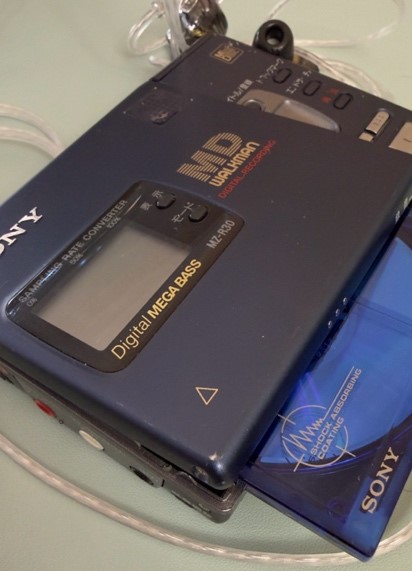 In 1996 I was working for AMS Neve, writing software for their digital audio consoles, and mixing live sound for local bands in the evening. I was lucky that I could borrow DAT decks from work to record these gigs, but my GOAT of portable DATs, the Sony TCD-D7 was way out of my price range.
I took a necessary diversion down the DCC path, but when Sony launched the MZ-R30, my local Sony dealer ordered one in for me. I did a load of comparisons of DCC vs MiniDisc vs linear PCM that summer (I had the amazing fortune that I spent many weeks at a time in Air Studios to develop and test the software I was working on. My testing was done on tens of millions of 1995 UK Pounds worth of studio kit with the amazing Dynaudio M4 monitors) and became very happy that MiniDisc was an amazing format to use for recording live gigs.
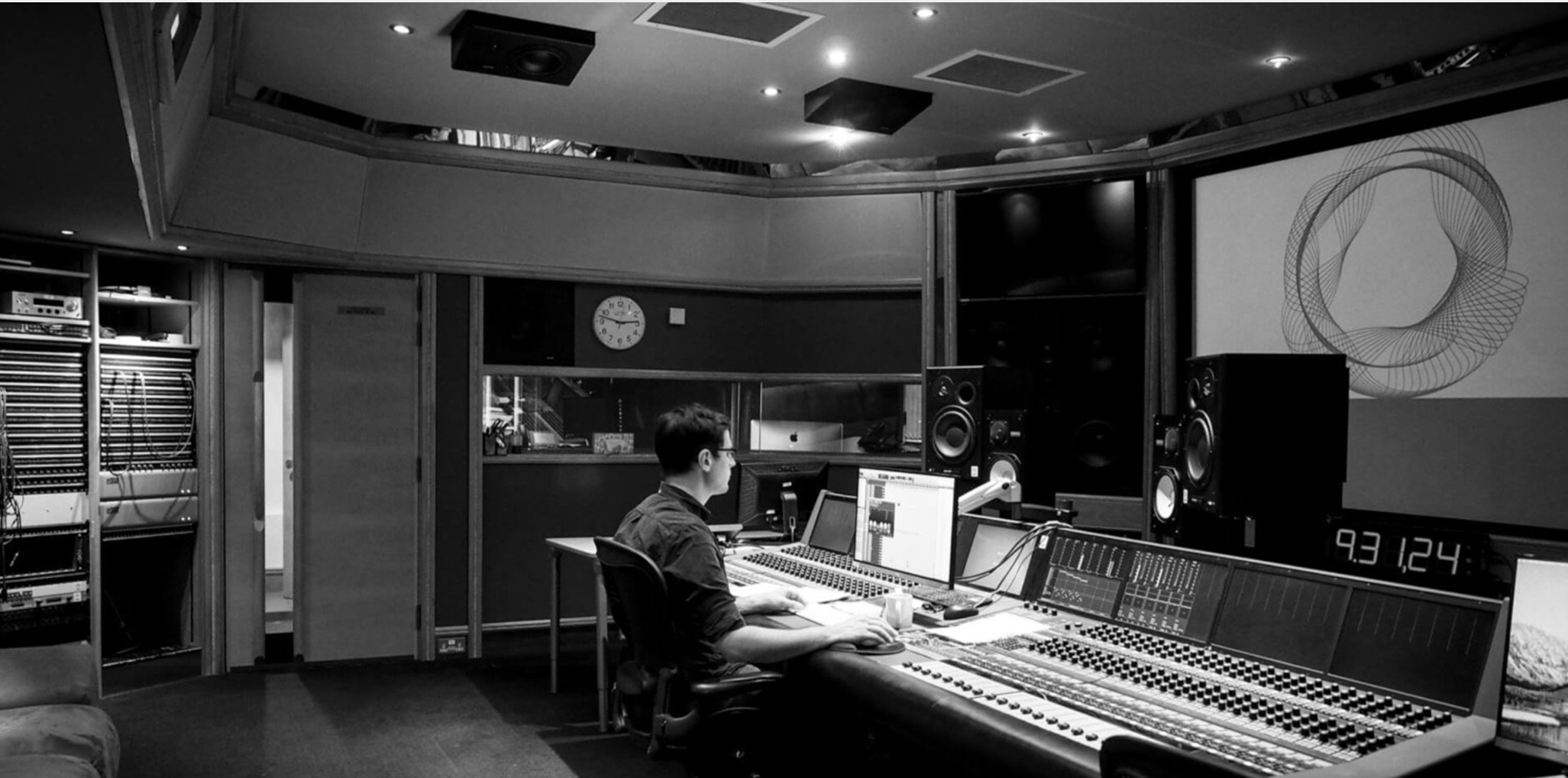
Studio 3 at AIR Hampstead
I started using the R30 to record the gigs I was mixing the sound for. I ended up with three in my regular kit. I used two at the back of the room, connected to Realistic PZM mics taped to the back wall, and took the feed from the PA desk into another. Running from the internal battery and a pair of AAs in the sidecar meant I had the ability to record completely acoustic sets where there wasn’t even mains power to the building, and with an MDS-JE510 at home I could take the audio in to my DAW digitally through TosLink; and give the bands their live recording back on MD, CD-R, or in one case sent to get a glass-mastered CD made - exciting times!
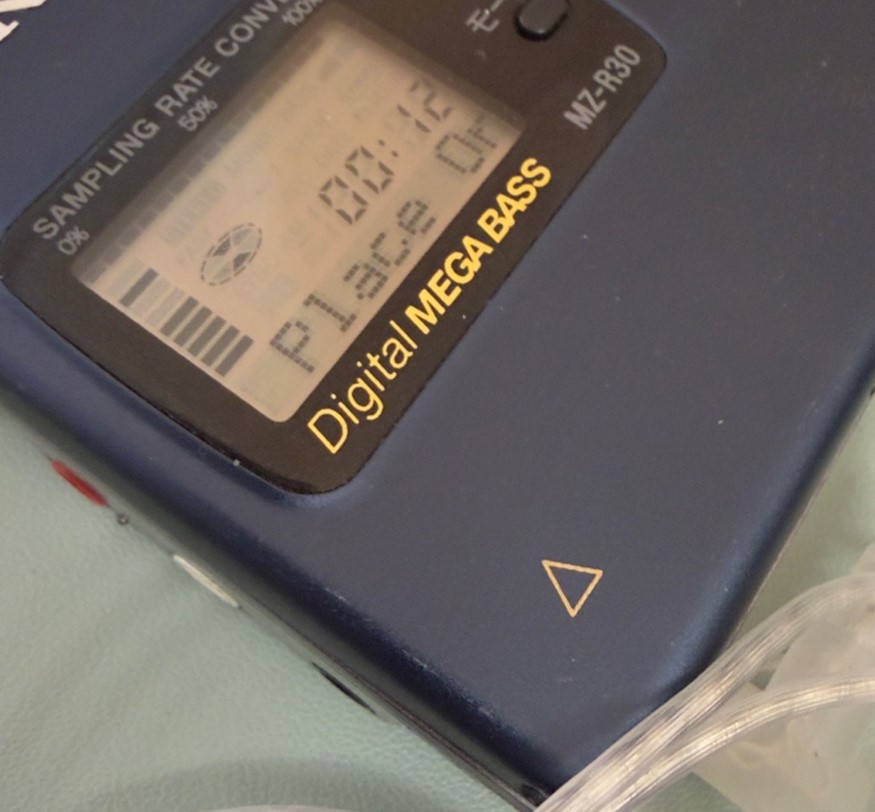
The MZ-R30 has an all-metal housing, a huge boon for durability. I treated those recorders badly; they got thrown in to gig bags, one got yeeted across a bar floor when someone pulled a cable whilst I was taping it down, and it still worked. The only failure of one of these devices was when a pint of lager got spilled over one - nothing Sony ever planned for in their design process! I didn’t even attempt to fix it.
Sony’s mic pre-amps are absolutely second to none in the price range of the MZ-R30 at the time, which made them absolutely ideal for working in this manner. But how do these stand up today? What’s it like to use one of these in 2025?
Over the summer I attended VCFSW in Dallas, and was hit with my past transformed in to 2025 as I stumbled across MDCon. With my remaining MZ-R30 back in my storage in the UK, I picked up a blue MZ-R30. It felt like an old friend, but it doesn’t feel old or outdated. The tactility of these devices has been lost to a great extent in modern products, nothing really “feels special” these days, top-end smartphones included. Picking up an R30 is a treat. It’s not the lightest device, but it’s not too heavy to be burdensome, and the brushed aluminum feels which remains cool to the touch even when handled feels premium.
Even though I had a Japanese model this time with almost no labelling in English; I had a quick refresher from the manual and was instantly reminded that Sony had achieved an amazing feat of user experience with the tech of the time. At its very base level, the R30 performs exactly like a non-linear tape device. Hit record and you’ll overwrite exactly as a tape would. This felt a little counter-intuitive in 2025; we’ve become heavily invested in non-linear recording - hit record on your Tivo and it makes a new recording. But the Sony recorders behaved a lot like tape. It was simple, easy to use, and more important accessible.
The R30 forms a core part of my collection today, I’ve been using it this summer to record the Cicadas here in Texas, and it’s not skipped a beat. Just like me, it needs some care and attention, keeping the sled lubricated is one of those things that comes with running hardware like this – just as my knees need cod liver oil.
The availability of service manuals from Sony, and the amazing community that’s built up around these devices gives me confidence that I’ll have a working MZ-R30 in my collection for some time.